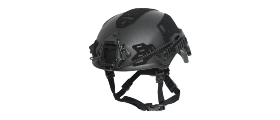
In modern combat and high-risk operational environments, protecting the head is one of the most critical aspects of personnel safety. Bulletproof helmets have evolved into advanced protective systems that not only shield soldiers and law enforcement officers from ballistic threats but also enhance situational awareness, communication, and overall operational efficiency.
This article explores the best bulletproof helmets for maximum head protection in combat, detailing materials, design principles, tactical advantages, and practical applications. Understanding these elements helps military and law enforcement agencies equip personnel with the best tools for survivability and mission effectiveness.
The Evolution of Bulletproof Helmets
Bulletproof helmets, also known as ballistic helmets, have undergone significant evolution over the past century. Early helmets were primarily designed to protect against shrapnel and blunt force, offering minimal protection against bullets. Materials were typically steel or composite metals, which provided durability but were heavy and cumbersome, limiting mobility and comfort.
With the advancement of modern materials science, contemporary bulletproof helmets utilize lightweight, high-strength fibers such as Kevlar, Twaron, and ultra-high-molecular-weight polyethylene (UHMWPE). These materials allow helmets to resist ballistic impacts while remaining light enough for prolonged use in combat. Ergonomic design enhancements further improve comfort, mobility, and operational effectiveness.
Key Features of High-Quality Bulletproof Helmets
A bulletproof helmet is more than just a protective shell. Its design incorporates multiple features that enhance both safety and operational efficiency:
1. Ballistic Protection
Modern helmets are designed to withstand impacts from bullets, shrapnel, and other battlefield hazards. Ballistic helmets are classified according to standards such as NIJ (National Institute of Justice) or military specifications, which indicate the level of protection against different calibers. Advanced helmets can stop handgun rounds and fragments from explosive devices, protecting the wearer’s skull and brain from life-threatening injuries.
2. Multi-Layered Construction
High-quality helmets feature multi-layered construction that absorbs and disperses impact energy. Outer layers resist penetration, while inner foam and padding systems reduce blunt force trauma. This combination ensures that even if a bullet or fragment does not penetrate, the energy transferred is minimized, reducing the risk of concussive brain injury.
3. Lightweight Design
Weight is a critical consideration for combat effectiveness. Heavy helmets can strain the neck and shoulders, reducing endurance and mobility. Modern bulletproof helmets prioritize lightweight construction without sacrificing protection. Materials like UHMWPE and advanced composites offer high strength-to-weight ratios, allowing personnel to remain agile in dynamic combat scenarios.
4. Ergonomic Fit and Comfort
Comfort is essential for prolonged operations. Adjustable straps, cushioned liners, and modular padding ensure a secure fit that distributes weight evenly and prevents excessive movement during high-intensity maneuvers. A well-fitted helmet improves situational awareness and allows the wearer to focus on the mission without distraction from discomfort or pressure points.
5. Accessory Mounting Options
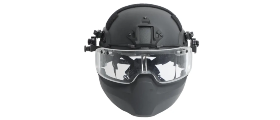
Contemporary bulletproof helmets are designed to support accessories such as night vision devices, communication headsets, cameras, and protective visors. Mounting rails and shrouds provide flexibility, enabling personnel to enhance situational awareness and coordination while maintaining head protection.
6. Ventilation and Climate Adaptation
Helmets designed for combat often include ventilation channels and moisture-wicking liners to regulate temperature and reduce sweat buildup. This is crucial for maintaining comfort and preventing fatigue in hot or humid environments. Some helmets even include removable liners or padding to adapt to different climates and operational conditions.
Types of Bulletproof Helmets
Bulletproof helmets are tailored to different operational needs, offering varied levels of protection and functionality:
1. Advanced Combat Helmets (ACH)
Advanced Combat Helmets are standard in modern military forces. ACH provides high-level ballistic protection against small arms and shrapnel, combined with improved comfort and modular accessory compatibility. These helmets are lightweight, durable, and designed to integrate seamlessly with communication devices and vision systems.
2. Enhanced Combat Helmets (ECH)
ECH represents the next generation of protective helmets, offering improved ballistic resistance against rifle rounds and explosive fragments. Made from ultra-high-molecular-weight polyethylene, ECH helmets combine high-level protection with reduced weight, enhancing mobility and reducing fatigue during extended operations.
3. Modular Tactical Helmets
These helmets include configurable mounts and rails for accessories such as cameras, night vision goggles, and tactical lights. Modular helmets are particularly valuable for special forces, SWAT teams, and law enforcement units conducting urban operations or counter-terrorism missions. Modularity ensures adaptability to mission-specific requirements.
4. Ballistic Patrol Helmets
Law enforcement agencies often use patrol helmets for riot control and tactical interventions. These helmets provide protection against blunt impacts and handgun rounds while offering comfort for extended wear during patrols, public events, or high-risk operations.
5. Specialized Mission Helmets
Certain helmets are designed for specialized operations, including explosive ordnance disposal, helicopter crews, and maritime missions. These helmets integrate additional protective features, communications systems, and impact-resistant visors to meet unique operational demands.
How Bulletproof Helmets Improve Safety
Bulletproof helmets enhance safety in multiple ways:
Protection from Ballistic Threats: High-strength materials and multi-layer construction protect against bullets, fragments, and shrapnel.
Blunt Force Mitigation: Internal padding and energy-dispersing liners reduce the impact of non-penetrative forces, minimizing concussive injuries.
Situational Awareness: Helmet design supports accessory integration, allowing communication, vision, and tracking devices to function effectively.
Psychological Confidence: The knowledge that personnel are well-protected boosts confidence, allowing focus on tactical objectives rather than personal safety.
Helmets also prevent secondary injuries, such as skull fractures or brain trauma, which are critical to ensuring personnel survive in high-intensity combat situations.
Enhancing Operational Efficiency
Beyond protection, bulletproof helmets improve operational efficiency:
Weight Management: Lightweight materials reduce strain and improve endurance.
Load Distribution: Properly fitted helmets distribute weight across the head and neck, enhancing mobility.
Integrated Accessories: Compatibility with night vision devices, communication systems, and cameras enables multitasking without compromising protection.
Mission Flexibility: Modular design allows rapid adaptation to changing mission requirements or environmental conditions.
For example, a soldier using a modular tactical helmet with night vision and communication capabilities can coordinate effectively during nighttime operations without sacrificing ballistic protection. Similarly, law enforcement officers in high-risk interventions can attach cameras or lights to helmets for evidence documentation and situational awareness.
Best Practices for Helmet Use
To maximize protection and efficiency, personnel should follow best practices:
Proper Fit: Adjust straps, liners, and pads for secure and comfortable fit.
Regular Maintenance: Inspect for cracks, damaged padding, or compromised ballistic panels.
Accessory Integration: Ensure mounted devices do not compromise helmet balance or protection.
Training and Familiarization: Personnel should practice movements and combat maneuvers while wearing fully equipped helmets.
Environmental Adaptation: Use removable liners and ventilation systems to adjust for different climates and mission durations.
By adhering to these practices, personnel can maximize helmet lifespan, maintain safety, and improve mission effectiveness.
Choosing a Trusted Supplier
Selecting helmets from reliable suppliers ensures operational reliability and safety. Trusted suppliers provide:
High-Quality Materials: Tested ballistic and impact-resistant materials that meet military or law enforcement standards.
Customizable Designs: Options for modular mounts, padding adjustments, and accessory integration.
Technical Support: Guidance for proper use, maintenance, and training.
Access to Innovations: Latest advancements in lightweight composites, ergonomic design, and protective features.
Jiangsu Crown Supplies Co., Ltd. offers a range of bulletproof helmets engineered for maximum head protection and operational flexibility. Their helmets combine durability, comfort, and modularity to ensure personnel are fully equipped for combat, tactical interventions, and high-risk law enforcement operations. Partnering with a trusted supplier guarantees that helmets meet both safety standards and tactical requirements.
Conclusion
Bulletproof helmets are critical for protecting military personnel and law enforcement officers in combat and high-risk operations. By integrating ballistic protection, energy-dispersing liners, ergonomic design, and modular accessory compatibility, these helmets enhance both safety and operational efficiency.
Agencies seeking superior head protection should consider trusted suppliers like Jiangsu Crown Supplies Co., Ltd., which provide high-quality, field-tested helmets designed for modern operational demands. Proper selection, fit, and maintenance ensure personnel remain protected, agile, and ready for the challenges of dynamic combat and tactical environments.
Investing in advanced bulletproof helmets not only safeguards lives but also improves mission performance, situational awareness, and overall operational success in demanding scenarios.
FAQ
Q: What materials are used in bulletproof helmets?
A: High-strength materials such as Kevlar, Twaron, and UHMWPE provide ballistic protection and reduce impact energy.
Q: How do bulletproof helmets improve operational efficiency?
A: Modular designs allow accessory integration, weight distribution enhances mobility, and quick access to devices improves response time.
Q: Can helmets protect against both bullets and blunt force?
A: Yes, multi-layered construction with ballistic panels and padded liners protects against bullets, shrapnel, and concussive impacts.
Q: Why choose a trusted supplier for bulletproof helmets?
A: Reliable suppliers ensure high-quality, field-tested helmets, technical support, and access to innovative features for operational safety.


