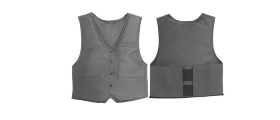
In the modern era of law enforcement, military operations, and private security, personal protection is paramount. One of the most critical components of safety is the bulletproof vest. A well-designed vest not only provides life-saving protection against bullets and edged weapons but also ensures comfort and mobility during prolonged operations. Choosing the right bulletproof vest involves balancing protection, ergonomics, load management, and operational adaptability.
This article provides a comprehensive guide on how to choose the right bulletproof vest for comfort and maximum safety, exploring materials, construction, types, operational applications, and practical considerations. By understanding these factors, agencies can equip personnel with vests that enhance safety, endurance, and mission performance.
The Importance of Choosing the Right Vest
A bulletproof vest is more than a safety garment—it is a vital tool that can determine survivability in high-risk situations. Law enforcement officers, military personnel, and security professionals face unpredictable threats from firearms, knives, shrapnel, and blunt force trauma. A vest that offers insufficient protection or poor fit may compromise safety and hinder operational performance.
Selecting the right vest ensures personnel are protected without sacrificing comfort, mobility, or endurance. Properly chosen vests also enhance confidence, allowing individuals to focus on tasks without distraction from discomfort or poorly distributed weight.
Key Features to Consider
When evaluating bulletproof vests, several features are essential for ensuring comfort and maximum safety:
1. Ballistic and Stab Protection
The core function of any bulletproof vest is protection. Modern vests incorporate ballistic panels that stop bullets, as well as stab-resistant layers that prevent penetration from knives and sharp objects.
Ballistic Materials: Kevlar, Dyneema, Twaron, and UHMWPE are commonly used to stop handgun rounds and low-velocity rifle bullets.
Hard Armor Inserts: Ceramic or polyethylene plates provide protection against high-velocity rifle rounds and armor-piercing bullets.
Stab and Slash Resistance: Specially designed layers of woven fibers prevent knife penetration and reduce injury from edged weapons.
Balancing these features is crucial; vests that focus only on ballistic protection may be heavier, reducing comfort and mobility.
2. Ergonomic Design
Comfort begins with ergonomic design. Adjustable straps, cummerbunds, and shoulder pads ensure that the vest fits securely without restricting movement. Proper fit also aligns protective panels over vital organs, preventing gaps that could compromise safety.
Ergonomic vests reduce pressure points, allow full range of motion, and prevent fatigue during extended operations, making them suitable for patrols, tactical missions, and combat scenarios.
3. Weight Distribution
The weight of ballistic and stab-resistant panels can cause strain if not evenly distributed. Modern vests incorporate weight management features such as padded shoulder straps, adjustable side panels, and internal support systems. Properly distributed weight enhances comfort and reduces the risk of neck, back, and shoulder injuries during prolonged wear.
4. Modularity and Load-Bearing Capacity
Modular vests with MOLLE (Modular Lightweight Load-carrying Equipment) systems allow personnel to carry essential gear such as ammunition, radios, medical kits, and hydration systems. Modularity ensures that equipment is accessible and evenly distributed, minimizing bulk and improving operational efficiency.
5. Breathability and Climate Adaptation
Heat and moisture can significantly reduce comfort during operations. Modern vests use ventilated liners, moisture-wicking materials, and removable padding to regulate temperature and reduce sweat accumulation. This is particularly important in hot climates or during high-intensity missions, where overheating can impair performance and decision-making.
6. Durability and Longevity
Bulletproof vests are exposed to rough environments, including abrasions, moisture, and UV exposure. High-quality vests are made from durable fabrics such as Cordura nylon and reinforced stitching to maintain integrity over time. Weather-resistant coatings and proper maintenance ensure long-term performance and consistent protection.
7. Quick-Release Features
Emergency situations may require rapid removal of the vest. Quick-release mechanisms allow personnel to remove vests safely during medical emergencies or decontamination, ensuring operational safety without compromising protection during normal use.
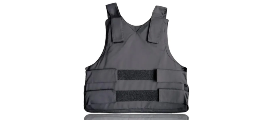
Types of Bulletproof Vests
Choosing the right type of vest depends on threat levels, operational needs, and comfort requirements. Common types include:
1. Soft Armor Vests
Soft armor vests use ballistic fabrics to stop handgun rounds and low-velocity threats. They are lightweight and flexible, making them ideal for patrol officers, undercover law enforcement personnel, and private security.
2. Hard Armor Vests
Hard armor vests include plates made of ceramic, polyethylene, or metal. These vests are capable of stopping rifle rounds and armor-piercing ammunition. While heavier, hard armor vests are essential for military personnel or officers in high-risk tactical operations.
3. Stab-Resistant Vests
Stab-resistant vests are designed to counter edged weapons such as knives and machetes. These are essential for riot control, close-quarters operations, and environments where knife attacks are a primary threat. Many modern vests combine ballistic and stab protection in a single garment.
4. Modular Tactical Vests
Modular vests allow configuration of ballistic panels, stab-resistant layers, and load-bearing pouches. This flexibility ensures personnel carry only necessary equipment, reducing fatigue and improving comfort. Modular designs are particularly useful in mission-specific scenarios where gear requirements change frequently.
5. Specialized Operational Vests
Specialized vests are designed for specific operational environments, such as counter-terrorism, explosive ordnance disposal, or long-duration patrols. They often include reinforced ballistic plates, enhanced padding, accessory attachment points, and hydration systems to support extended missions.
How Vests Protect Against Bullets
Bulletproof vests protect against bullets through several mechanisms:
Energy Absorption: Multiple layers of ballistic fibers absorb the kinetic energy of the bullet, reducing its penetration capability.
Energy Distribution: Impact energy is spread across a larger surface area, minimizing the force on any single point.
Bullet Deformation: Some vests cause bullets to flatten or fragment, reducing the risk of penetration.
Hard Armor Inserts: Plate inserts stop high-velocity rifle rounds that soft armor cannot, providing additional protection.
Vests are tested against standardized ballistic threats to ensure they meet specific protection levels, such as NIJ Level II, IIIA, III, or IV.
How Vests Protect Against Knife Attacks
Knife and edged weapon protection differs from ballistic protection. Vests counter knife attacks by:
Tightly Woven Fibers: Layers of ballistic material prevent blades from penetrating.
Reinforced Panels: Additional layers or coatings resist slashing and stabbing forces.
Energy Dissipation: Padding absorbs force from a stabbing attack, reducing the risk of blunt trauma.
Testing ensures vests meet defined standards for stab resistance, enabling personnel to operate confidently in close-quarters combat.
Comfort Considerations
Comfort is critical for prolonged operational effectiveness. Factors to consider include:
Proper Fit: Adjustable panels and straps ensure secure and comfortable alignment.
Breathability: Ventilated liners and moisture-wicking materials prevent overheating.
Weight Management: Even distribution of ballistic and stab layers reduces fatigue.
Mobility: Vests must allow full range of motion for running, climbing, and tactical maneuvers.
A comfortable vest improves focus, endurance, and overall mission performance, making it just as important as protective capabilities.
Operational Advantages
Bulletproof vests provide several key advantages:
Life-Saving Protection: Shield vital organs from bullets, knives, and shrapnel.
Operational Efficiency: Modular attachments and accessible pouches improve performance during missions.
Mobility and Comfort: Ergonomic and lightweight designs allow agility and reduce fatigue.
Psychological Confidence: Knowledge of reliable protection boosts confidence and decision-making under stress.
Multi-Threat Resistance: Combines ballistic, stab, and blunt force protection for comprehensive defense.
Personnel wearing high-quality vests experience higher survivability rates, better endurance, and improved operational effectiveness, which is critical in dynamic combat and law enforcement environments.
Best Practices for Selecting a Vest
When choosing a vest, consider:
Threat Assessment: Identify the types of threats personnel may encounter (handgun, rifle, knife).
Comfort and Fit: Ensure the vest can be adjusted to individual body types.
Weight vs. Protection: Balance protection level with operational mobility.
Modularity: Evaluate whether additional pouches or plates are necessary for mission needs.
Field Testing and Certification: Ensure vests meet international ballistic and stab-resistance standards.
Selecting a vest from a reliable supplier ensures it meets these criteria, maintains durability, and provides consistent protection throughout operational use.
Practical Supplier Insight
When equipping personnel with bulletproof vests, agencies should consider suppliers who provide not only high-quality materials but also technical support and customization options. Reliable suppliers ensure that the vest fits ergonomically, meets required protection levels, and can be configured for mission-specific needs.
Jiangsu Crown Supplies Co., Ltd. offers bulletproof vests designed to deliver both comfort and maximum safety. Their vests combine ergonomic fit, modular panels, and tested ballistic and stab resistance to provide personnel with reliable protection in all operational scenarios. By partnering with a trusted provider, agencies ensure that personnel remain protected, agile, and mission-ready while maintaining long-term vest performance.
Conclusion
Choosing the right bulletproof vest requires balancing protection, comfort, mobility, and operational functionality. Modern vests integrate ballistic and stab-resistant materials, ergonomic design, modularity, and climate-adaptive features to provide maximum safety and operational effectiveness.
Agencies seeking reliable vests should consider suppliers like Jiangsu Crown Supplies Co., Ltd., which provide high-quality, field-tested bulletproof vests. Proper selection, fitting, and maintenance ensure personnel remain safe, agile, and mission-ready in both law enforcement and combat environments.
Investing in advanced bulletproof vests safeguards lives, enhances endurance, and improves overall mission performance, making them a cornerstone of personal protection in high-risk scenarios.
FAQ
Q: How do bulletproof vests protect against knives?
A: Multi-layered, tightly woven fibers and reinforced panels prevent penetration and absorb stabbing force.
Q: What materials provide maximum protection in vests?
A: Kevlar, Dyneema, Twaron, UHMWPE, and composite plates offer ballistic and stab resistance.
Q: Can bulletproof vests be customized for comfort and safety?
A: Yes, modular designs and adjustable panels allow fitting, accessory attachment, and mission-specific configuration.
Q: Why choose a trusted supplier for bulletproof vests?
A: Trusted suppliers provide field-tested quality, technical guidance, and reliable protective performance.


