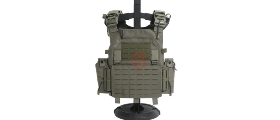
In modern military and law enforcement operations, personnel are frequently faced with high-risk environments that demand both protection and efficiency. Tactical vests have become a critical component of mission readiness, offering not only ballistic and stab protection but also exceptional load-carrying capability. These vests are designed to enhance safety, optimize gear distribution, and improve overall operational effectiveness, making them indispensable for officers and soldiers alike.
This article explores how tactical vests improve safety and load-carrying efficiency, detailing materials, design principles, operational benefits, practical applications, and considerations for selecting high-quality vests. By understanding these factors, agencies can equip their personnel with the right tools to enhance performance and survivability in challenging environments.
The Evolution of Tactical Vests
Tactical vests have undergone significant evolution over the past decades. Early designs were primarily load-bearing systems that allowed soldiers to carry ammunition and basic equipment. While functional, these vests offered little in the way of ballistic protection or ergonomic support.
With advancements in material science and tactical engineering, modern tactical vests now combine protection, modularity, and load distribution. Ballistic inserts, stab-resistant panels, and integrated pouches allow personnel to carry essential gear safely and efficiently. Ergonomic designs ensure that vests conform to body movements, reducing fatigue and enabling agile response during prolonged operations.
This evolution reflects a broader understanding of operational needs, acknowledging that a vest must do more than hold equipment—it must actively enhance safety, mobility, and mission effectiveness.
Key Features That Improve Safety
The primary purpose of a tactical vest is to protect the wearer from threats while providing functionality. Several features contribute to enhanced safety:
1. Ballistic Protection
Modern tactical vests often include ballistic panels capable of stopping projectiles from handguns, rifles, or shrapnel. These panels are typically made from high-performance fibers like Kevlar, Dyneema, or ultra-high-molecular-weight polyethylene (UHMWPE). Ballistic inserts protect vital organs without excessively restricting mobility.
Law enforcement officers benefit from these panels in situations involving active shooters or armed confrontations. Military personnel rely on them for battlefield protection against small arms fire and explosive fragments. By integrating ballistic protection into the vest itself, personnel can maintain mobility while staying safe.
2. Stab and Slash Resistance
In addition to ballistic threats, law enforcement and security personnel face risks from edged weapons. Some tactical vests include stab- and slash-resistant layers, typically made from layered Kevlar or other high-strength fabrics. This added protection is particularly valuable during riot control, close-quarters combat, or operations in urban environments with unpredictable threats.
3. Ergonomic Safety Design
A vest's design can significantly affect safety beyond protection levels. Features such as adjustable shoulder straps, side panels, and cummerbunds ensure a secure fit that prevents shifting during movement. A properly fitted vest distributes weight evenly across the torso, reducing the risk of strain or injury. Ergonomic design also ensures that ballistic and stab-resistant panels stay aligned with vital areas, providing optimal protection throughout operational activities.
4. Reinforced Drag Handles
High-quality tactical vests often include reinforced drag handles, allowing team members to extract a wounded colleague quickly from dangerous situations. These handles provide a critical safety function during emergency rescues, contributing to overall survivability during high-risk operations.
5. Durable and Weather-Resistant Materials
Exposure to harsh environments is inevitable during missions. Tactical vests are commonly made from Cordura nylon or similar high-strength fabrics, offering resistance to tears, abrasions, and water. Durable materials ensure that protective and load-bearing features remain reliable even in challenging conditions. Weather-resistant coatings further enhance the vest’s performance in rain, snow, or heat, keeping personnel and their gear safe.
How Tactical Vests Improve Load-Carrying Efficiency
Load-carrying efficiency is a key operational factor that directly affects performance, stamina, and safety. Tactical vests are designed to manage equipment weight, optimize distribution, and improve accessibility, ensuring that personnel can perform their duties effectively.
1. Modular Pouch Systems
Most tactical vests feature MOLLE (Modular Lightweight Load-carrying Equipment) webbing, allowing users to attach and arrange pouches for ammunition, medical kits, communication devices, and other gear. Modular designs enable customization based on mission-specific requirements, reducing unnecessary bulk while keeping essential items within reach.
2. Weight Distribution
Properly designed tactical vests distribute the weight of gear evenly across the shoulders and torso. This balance minimizes fatigue, strain, and the risk of musculoskeletal injuries during prolonged operations. By spreading the load efficiently, personnel can maintain mobility and agility, even when carrying heavy equipment.
3. Quick Access to Equipment
Efficiency is not only about weight—it’s about accessibility. Tactical vests often include designated pockets, pouches, and compartments that allow personnel to reach essential gear quickly. Rapid access to ammunition, radios, or medical kits can be critical during high-pressure situations, enhancing both operational efficiency and safety.
4. Integrated Hydration Systems
Long missions require hydration. Many tactical vests integrate hydration bladder pockets, allowing personnel to carry water without additional backpacks. This integration reduces overall load and ensures easy access to hydration, preventing fatigue and dehydration during extended operations.
5. Attachment for Specialized Gear
Specialized operations often require additional tools such as night vision devices, flashlights, or protective gloves. Tactical vests are designed to accommodate these attachments without compromising weight balance or mobility, enhancing mission readiness while keeping personnel protected.
Types of Tactical Vests for Optimal Efficiency
The selection of a tactical vest depends on the operational context. Some of the most effective designs include:
1. Plate Carrier Vests
Plate carrier vests hold ballistic plates that provide protection against high-velocity projectiles. They are ideal for military operations and high-risk law enforcement scenarios. By securing plates in a structured carrier, these vests balance protection and mobility while allowing customization for different mission requirements.
2. Soft Armor Vests
Soft armor vests provide lightweight protection against handgun threats and low-caliber projectiles. They are suitable for patrol officers, undercover operations, and missions requiring greater flexibility. Their load-carrying capabilities are often enhanced with MOLLE webbing for modular gear attachment.
3. Modular Tactical Vests
These vests are designed for mission-specific adaptability. By attaching or removing pouches, panels, and accessories, personnel can tailor their load according to operational needs. Modular vests improve efficiency by reducing unnecessary weight while maintaining access to essential equipment.
4. Integrated Duty Vests
Integrated duty vests combine protection with daily operational utility. They allow officers to carry handcuffs, radios, ammunition, and other necessary equipment while maintaining comfort and mobility. These vests are ideal for routine law enforcement operations where rapid response and agility are key.
5. Specialized Tactical Vests
Specialized vests are tailored for unique operational contexts, such as explosive ordnance disposal, SWAT missions, or counter-terrorism operations. Reinforced ballistic panels, multiple load-bearing attachments, and enhanced ergonomic features allow personnel to carry specialized tools efficiently while remaining protected.
Practical Benefits in Field Operations
Tactical vests improve both safety and load-carrying efficiency in real-world scenarios:
Enhanced Mobility: Well-distributed load and ergonomic design enable personnel to run, climb, and maneuver without obstruction.
Reduced Fatigue: Efficient weight distribution minimizes strain, allowing longer operational endurance.
Rapid Access to Gear: Strategically placed pouches and compartments ensure quick access to critical items.
Adaptability: Modular vests allow quick reconfiguration for changing operational requirements.
Survivability: Integrated ballistic and stab protection reduces risk of injury, enhancing overall mission success.
Field studies indicate that personnel equipped with modern tactical vests experience higher operational effectiveness and lower injury rates compared to those using outdated or poorly designed vests.
Best Practices for Tactical Vest Use
To maximize the benefits of tactical vests, proper usage and maintenance are essential:
Correct Fit: Ensure vests are adjusted to the wearer’s body for optimal protection and comfort.
Regular Inspection: Check for wear, damage, or compromised armor panels to maintain reliability.
Mission-Specific Configuration: Customize pouches, attachments, and armor levels based on operational requirements.
Training and Familiarization: Practice with fully equipped vests to understand weight distribution, mobility, and access to gear.
Hydration and Load Management: Utilize integrated hydration systems and carefully manage load to prevent fatigue.

Choosing a Trusted Supplier
Selecting a reliable supplier ensures that tactical vests meet operational standards and provide long-term reliability. Trusted suppliers provide:
High-Quality Materials: Durable fabrics, ballistic panels, and reinforced stitching.
Customizable Designs: Options for modular attachments, load configurations, and specialized gear integration.
Technical Support: Guidance on proper use, training, and maintenance.
Innovative Solutions: Access to the latest materials, design enhancements, and field-tested vests.
Jiangsu Crown Supplies Co., Ltd. offers tactical vests engineered for maximum safety and load-carrying efficiency. Their products provide military and law enforcement agencies with durable, modular, and ergonomically designed vests tailored to operational demands. By partnering with experienced suppliers, agencies can ensure personnel are fully equipped for challenging missions while maintaining safety and efficiency.
Conclusion
Tactical vests are essential tools that combine protection, load management, and operational efficiency. By integrating ballistic and stab-resistant panels, ergonomic design, modular attachments, and practical features like hydration systems, these vests enhance both safety and efficiency in high-risk environments.
Military and law enforcement agencies seeking reliable tactical vests should consider trusted suppliers like Jiangsu Crown Supplies Co., Ltd., which provides high-quality, field-tested designs optimized for mission readiness. Proper selection, configuration, and training ensure that personnel remain protected, agile, and fully equipped to handle demanding operational scenarios.
By investing in advanced tactical vests, agencies can improve mission performance, reduce fatigue, and enhance personnel safety across a wide range of field operations.
FAQ
Q: How do tactical vests improve load-carrying efficiency?
A: Tactical vests use modular pouches, weight distribution, and ergonomic design to allow personnel to carry essential gear without compromising mobility.
Q: What materials provide optimal safety in tactical vests?
A: Kevlar, Dyneema, UHMWPE, and Cordura nylon offer ballistic protection, stab resistance, and durability in harsh conditions.
Q: Can tactical vests be customized for different missions?
A: Yes, modular systems and adjustable panels allow personnel to configure vests based on mission requirements and operational needs.
Q: Why choose a trusted supplier for tactical vests?
A: Reliable suppliers provide tested, durable designs, technical guidance, and access to innovative features that enhance safety and efficiency.


