Why the Question of Riot Shield Legality Matters
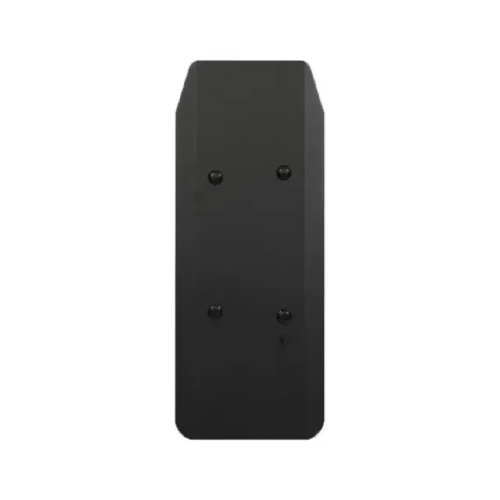
A riot shield is one of the most recognizable pieces of law enforcement equipment, commonly seen in crowd control operations, protests, and tactical defense situations. Made primarily from impact-resistant materials like polycarbonate or HDPE, riot shields are designed to protect against thrown objects, blunt impacts, and in some cases, even bullets.
In recent years, an increasing number of civilians have shown interest in owning riot shields. Some are collectors of tactical gear, others seek them for self-defense, survival training, or film production. This raises an important legal question: Is it lawful for private individuals to own or use a riot shield?
The answer depends heavily on where you live, what kind of riot shield you possess, and how it is used. Let’s explore the global legal landscape and key considerations for individuals interested in owning this type of protective equipment.
Understanding What a Riot Shield Is
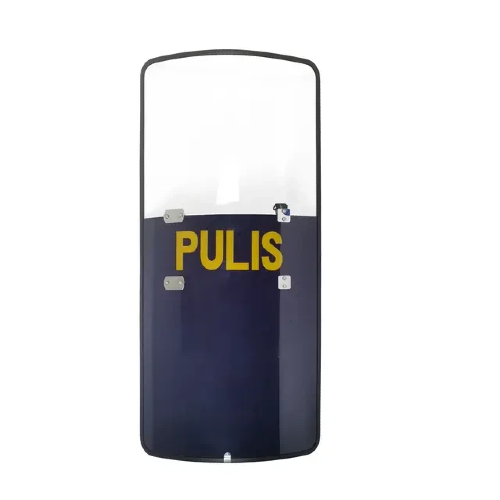
A riot shield is a large, handheld, defensive barrier used to protect the user from physical assaults or projectiles during confrontations. These shields are usually transparent, allowing full visibility while offering strong impact protection.
Riot Shield vs. Ballistic Shield
It’s important to distinguish between a riot shield and a ballistic shield:
Riot shields are designed for impact resistance (stones, bottles, batons, etc.).
Ballistic shields are engineered for firearm protection, often rated by standards like NIJ (National Institute of Justice).
Riot shields are typically used by police forces, security personnel, and crowd control units. They come in various shapes and materials — from lightweight polycarbonate to heavy-duty metal or composite versions.
Legal Classifications and Restrictions
Riot Shields as Protective Equipment
Unlike firearms or batons, riot shields are defensive tools. They are not designed to cause harm but to protect the user from attacks. In most countries, non-ballistic riot shields are not classified as weapons, meaning they are not inherently illegal to own.
However, possession laws can become complex when riot shields are used in public, carried during protests, or modified for combat.
Legal Restrictions by Jurisdiction
The legality of riot shields varies around the world. Here’s an overview of how different countries regulate them:
Region/Country | General Legality for Civilian Possession | Notes and Conditions |
United States | Generally legal (varies by state) | Some states restrict ballistic versions or public use during demonstrations |
United Kingdom | Restricted | Classified under “offensive weapons” if carried in public; requires justification |
European Union | Controlled | Import/export of tactical shields may need licenses |
Canada | Legal for training; restricted for public use | May require special authorization for ballistic models |
Australia | Controlled under defense import laws | Civilian ownership possible with permits |
Middle East / Asia | Varies by country | Usually legal for security firms, not for individuals |
In summary, possession is often legal, but public use or possession during protests may lead to legal consequences.
Civilian Use Cases and Legal Gray Areas
Personal Safety and Self-Defense
Many individuals purchase riot shields for home defense, emergency preparedness, or training. For example, polycarbonate shields can offer protection during natural disasters, riots, or security drills.
In most jurisdictions, owning a non-ballistic riot shield at home is perfectly legal — as long as it is not used to threaten or harm others.
Protests and Public Demonstrations
This is where the legal line becomes blurry. Carrying a riot shield at a protest can be interpreted as preparation for violent confrontation, even if the individual intends to stay peaceful.
Authorities often prohibit riot gear (including helmets, shields, and armor) during large public assemblies, as it may be viewed as provocative or intimidating. Violating these laws could result in confiscation or even arrest.
Private Security and Training
Private security companies, bodyguards, and law enforcement training centers are usually permitted to own riot shields, especially when used in controlled environments.
However, these entities often require licenses or registration depending on local laws.
Types of Riot Shields and Their Legal Standing
Different riot shields serve different purposes — and their legality often depends on their material and ballistic rating.
Shield Type | Material | Ballistic Level | Typical Use | Legality (General) |
Polycarbonate Riot Shield | Transparent Plastic | Non-ballistic | Police, training, crowd control | Usually Legal |
HDPE Riot Shield | Opaque Plastic | Non-ballistic | Civilian defense or practice | Usually Legal |
Ballistic Riot Shield | Kevlar / Composite | Level IIIA+ | Military, SWAT operations | Restricted |
Metal Riot Shield | Aluminum / Steel | High strength | Breaching operations | Restricted or Controlled |
If you’re a civilian buyer, polycarbonate riot shields are the safest and most compliant option. They’re lightweight, transparent, and provide strong impact resistance without violating most import or possession laws.
Laws on Importing and Selling Riot Shields
Export Control and Customs Regulation
In certain regions, riot shields are categorized as defense or law enforcement equipment, meaning they’re subject to export control laws. Importing a high-grade or ballistic riot shield without the proper documentation could result in:
Customs seizure
Fines or legal penalties
Permanent import bans
Therefore, when purchasing internationally, it’s important to check customs codes and product classifications.
Online Purchases and E-commerce
E-commerce platforms make it easy to find riot shields, but not all of them comply with local laws.
Training-grade polycarbonate riot shields are often sold without restrictions. However, ballistic shields typically require proof of law enforcement affiliation or end-user certification.
Before purchasing online:
Verify the product classification (ballistic or non-ballistic).
Confirm that the vendor complies with export/import regulations.
Keep purchase documentation to show lawful intent and ownership.
Consequences of Illegal Possession or Misuse
Owning a riot shield is generally harmless — until it’s used improperly. Here are some potential legal issues:
Public Carry Restrictions: Bringing a riot shield to a protest or rally can result in charges like possession of offensive equipment or public intimidation.
Intent Matters: Even if the shield itself is legal, carrying it in a threatening context can make it illegal.
Law Enforcement Interference: Using a riot shield against police officers is a serious offense in most countries.
Fines and Confiscation: Authorities may seize the shield and impose penalties for unauthorized use.
In short, legality depends more on conduct than possession.
How to Legally Own and Use a Riot Shield
1. Check Local Regulations
Every region has different interpretations of what constitutes “protective gear.”
Before purchasing, contact your local police department, customs office, or a legal advisor to confirm whether personal ownership is permitted.
2. Choose the Right Type
For civilians, non-ballistic polycarbonate riot shields are the best choice.
They are typically categorized as safety or training equipment, not military-grade defense gear.
Avoid:
Ballistic-rated shields (Level IIIA or higher)
Metal riot shields
Any shield marketed for “tactical or combat use”
3. Responsible Usage Guidelines
Use only for training, emergency preparedness, or private security practice.
Never carry riot gear in public demonstrations without authorization.
Store safely and out of public visibility to avoid misunderstanding.
Ethical and Safety Considerations
Owning protective gear comes with responsibility. Even if it’s legal, misuse can cause unnecessary panic or escalation in public situations.
Here are a few ethical guidelines:
Never display riot equipment in public for intimidation.
Participate in training sessions to understand safe handling.
Treat riot shields as defensive, not aggressive tools.
Follow local laws and respect law enforcement authority.
Regional Case Studies: How Laws Are Applied
United States
In the U.S., laws differ by state. In most places, non-ballistic riot shields are legal for civilian use, especially if purchased for self-defense or training. However, some states restrict ballistic shields under tactical weapons laws.
United Kingdom
The UK maintains stricter laws. Carrying or owning a riot shield without professional justification can be seen as preparation for violence, even if it’s for protection.
European Union
The EU applies dual-use export control laws, especially for equipment used in both civilian and defense contexts. Importing a riot shield may require an end-user declaration.
Asia-Pacific
In countries like Japan, South Korea, and Singapore, riot gear is treated as restricted police equipment, but training-grade polycarbonate shields can sometimes be imported for commercial or educational purposes.
Future of Riot Shield Regulation
As global unrest and security awareness increase, more individuals seek defensive gear like helmets, shields, and vests. Governments are now re-evaluating how to balance civil liberties with public order.
Future legislation may:
Distinguish between civilian-grade and tactical-grade shields.
Require registration for ballistic shields.
Encourage certification of suppliers to ensure responsible sales.
Manufacturers are also innovating with eco-friendly materials, lightweight composites, and smart riot shields that integrate lighting and camera systems — all while maintaining legal compliance.
Conclusion
In most regions, owning a riot shield is legal, provided it is non-ballistic and used responsibly. Problems usually arise not from possession, but from how and where the shield is used.
If you’re considering purchasing one for personal defense, training, or display, always:
Choose non-ballistic, polycarbonate riot shields.
Verify local laws before import or use.
Avoid public demonstrations with protective gear.
For those seeking professional-grade riot shields, Jiangsu Crown Supplies Co., Ltd. offers a range of durable, lightweight, and legally compliant riot shields designed for law enforcement, private security, and training purposes. Their products combine quality, transparency, and safety, making them an ideal choice for organizations and individuals who value reliability and compliance.


