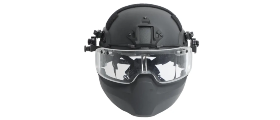
In high-risk military and law enforcement operations, personnel face a multitude of threats that make head protection critical. Bulletproof helmets have evolved from simple protective gear into highly advanced defensive systems that combine ballistic resistance, impact mitigation, comfort, and tactical functionality. Today’s modern bulletproof helmets are designed to provide maximum defense while supporting mission-specific operational needs.
This article explores the top features of modern bulletproof helmets, explaining how these elements improve safety, operational efficiency, and survivability for personnel in combat and tactical scenarios. By understanding these features, agencies can make informed decisions when selecting head protection equipment.
The Importance of Head Protection
The head is one of the most vulnerable parts of the human body. In combat or high-risk operational environments, threats include bullets, shrapnel, blunt impacts, falls, and explosive forces. Without effective protection, personnel are at risk of life-threatening injuries and reduced mission effectiveness.
Modern bulletproof helmets are engineered to mitigate these threats while allowing personnel to remain agile, maintain situational awareness, and operate essential equipment such as communication devices and night vision systems. Proper head protection not only preserves lives but also enhances confidence and operational readiness in the field.
Evolution of Modern Bulletproof Helmets
Bulletproof helmets have undergone significant changes over the decades. Early designs focused primarily on shrapnel protection, using heavy metals that offered durability but limited mobility. Soldiers were burdened with cumbersome headgear that restricted vision and caused fatigue during prolonged use.
The development of high-strength fibers such as Kevlar, Twaron, and ultra-high-molecular-weight polyethylene (UHMWPE) revolutionized helmet design. Modern helmets are lightweight, ergonomically optimized, and capable of stopping bullets, shrapnel, and other ballistic threats. Additionally, contemporary designs incorporate modular features to support tactical equipment, making helmets versatile tools for a wide range of operational scenarios.
Top Features of Modern Bulletproof Helmets
Modern bulletproof helmets combine multiple features to maximize protection and operational effectiveness. These features include:
1. High-Strength Ballistic Materials
The core of a bulletproof helmet is its ballistic material. High-strength fibers such as Kevlar, Twaron, and UHMWPE are layered to absorb and disperse the energy of bullets, fragments, and shrapnel. These materials provide protection against handgun rounds, fragments from explosive devices, and in some advanced models, rifle rounds.
The balance between strength and weight is critical. Lightweight ballistic materials reduce fatigue and neck strain, enabling personnel to wear helmets comfortably for extended missions.
2. Multi-Layer Construction
Modern helmets use multi-layered construction to enhance both ballistic and blunt force protection. The outer layer resists penetration, while inner foam padding absorbs impact energy. This design minimizes concussive forces and prevents injuries caused by blunt impacts or ricochets. Multi-layer construction ensures comprehensive protection without excessively increasing weight.
3. Ergonomic and Adjustable Fit
Comfort and fit are crucial for long-duration operations. Adjustable straps, padding systems, and suspension mechanisms ensure that the helmet fits securely without causing pressure points. An ergonomic fit reduces movement during rapid maneuvers, keeps ballistic panels aligned with vital areas, and enhances overall protection.
4. Impact and Shock Absorption
Helmets incorporate advanced padding systems that absorb shock from falls, blunt force, or indirect impacts. Energy-dispersing liners reduce the likelihood of concussions and traumatic brain injuries, making the helmet an essential component of head protection in dynamic combat environments.
5. Accessory Mounting Systems
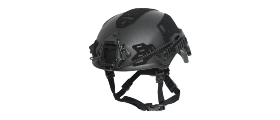
Modern helmets support a wide array of tactical accessories. Mounting rails and shrouds allow the integration of night vision devices, cameras, tactical lights, and communication headsets. Accessory compatibility enhances situational awareness and operational flexibility without compromising ballistic protection.
6. Lightweight Design
Weight reduction is a key feature in modern helmets. By using advanced composites and optimized structural designs, manufacturers produce helmets that are light yet strong. Lightweight helmets reduce neck and shoulder strain, improve mobility, and allow personnel to wear the helmet comfortably for extended periods.
7. Ventilation and Climate Adaptation
Operational environments vary widely, from hot deserts to cold urban zones. Modern helmets incorporate ventilation channels, moisture-wicking liners, and removable padding systems. These features maintain comfort, reduce sweat buildup, and prevent fatigue, enabling personnel to focus on the mission.
8. Ballistic Visor and Eye Protection
Some modern helmets integrate ballistic visors or compatibility with protective eyewear. These features protect against secondary hazards such as flying debris, chemical splashes, and fragments from explosions. Integrated visors enhance situational awareness while maintaining comprehensive head protection.
9. Quick-Release Mechanisms
Quick-release systems allow personnel to remove the helmet rapidly in emergencies, such as medical extraction or drowning scenarios. This feature improves operational safety and ensures that personnel can react to unforeseen situations without compromising protection during normal operations.
10. Enhanced Durability
Modern helmets are designed to endure harsh combat conditions. Reinforced shell construction, abrasion-resistant coatings, and moisture-resistant materials ensure that the helmet maintains its integrity in extreme environments, providing reliable protection across multiple missions.
Types of Modern Bulletproof Helmets
Different operational needs dictate the type of helmet used. Some common types include:
1. Advanced Combat Helmets (ACH)
ACH helmets are widely used by military forces. They provide high-level ballistic protection, lightweight construction, and compatibility with communication and vision systems. ACH helmets are suitable for infantry, special operations, and high-risk missions.
2. Enhanced Combat Helmets (ECH)
ECH helmets offer improved ballistic resistance, especially against rifle rounds and explosive fragments. Constructed from ultra-high-molecular-weight polyethylene, these helmets maintain durability while reducing weight, enhancing endurance and mobility during long missions.
3. Modular Tactical Helmets
Modular helmets allow customization with rails, shrouds, and accessory mounts. They are particularly valuable for SWAT teams, special forces, and law enforcement units operating in urban or counter-terrorism environments. Modularity ensures adaptability to mission-specific requirements.
4. Ballistic Patrol Helmets
Law enforcement personnel often rely on patrol helmets that provide protection against blunt force and handgun rounds. These helmets balance comfort with operational efficiency for prolonged patrols, public events, or high-risk interventions.
5. Specialized Operational Helmets
Specialized helmets are designed for unique missions such as explosive ordnance disposal, maritime operations, or helicopter crews. They often feature reinforced protection, communication integration, and advanced visors to meet specific operational challenges.
How Modern Helmets Improve Safety and Operational Efficiency
Bulletproof helmets enhance personnel performance in several ways:
Comprehensive Protection: High-strength materials and multi-layer construction shield against bullets, shrapnel, and blunt impacts.
Mobility and Comfort: Lightweight and ergonomic designs reduce fatigue and allow for agile movement during combat or tactical operations.
Situational Awareness: Compatibility with communication devices, night vision, and cameras improves operational coordination and threat response.
Mission Adaptability: Modular designs allow rapid configuration changes for different mission requirements.
Operational studies indicate that personnel using modern helmets experience fewer head injuries, improved endurance, and enhanced tactical efficiency compared to those using outdated or poorly designed helmets.
Best Practices for Using Bulletproof Helmets
To maximize protection and efficiency, the following practices are recommended:
Proper Fit: Adjust straps, liners, and padding for secure alignment and comfort.
Routine Maintenance: Inspect helmets regularly for cracks, damage, or compromised ballistic panels.
Accessory Management: Ensure mounted devices do not interfere with protection or helmet balance.
Training and Familiarization: Personnel should practice operations with fully equipped helmets to understand movement, visibility, and gear accessibility.
Environmental Adaptation: Use removable padding and ventilation features to adjust for extreme climates and mission duration.
By adhering to these practices, personnel maintain optimal protection and operational readiness.
Choosing a Trusted Supplier
Selecting high-quality bulletproof helmets from reliable suppliers is critical. Trusted suppliers provide:
Tested Materials: Helmets meet rigorous ballistic and impact standards.
Customizable Options: Modular designs for mission-specific adaptations.
Technical Guidance: Expert advice on fit, use, and maintenance.
Access to Innovation: Advanced features in lightweight composites, modularity, and ergonomic design.
Jiangsu Crown Supplies Co., Ltd. offers helmets engineered for maximum defense, combining ballistic protection, ergonomic design, and modular functionality. Their products ensure military and law enforcement personnel are fully equipped to face complex operational environments. Partnering with a trusted supplier guarantees reliable, field-tested helmets that enhance both safety and operational efficiency.
Conclusion
Modern bulletproof helmets are essential for personnel operating in combat and high-risk environments. By integrating ballistic protection, energy-absorbing liners, ergonomic comfort, modular accessory systems, and climate-adaptive features, these helmets provide maximum defense while improving operational efficiency.
Agencies seeking the best head protection should consider trusted suppliers like Jiangsu Crown Supplies Co., Ltd., which deliver high-quality, field-tested helmets designed for diverse operational scenarios. Proper selection, fit, and maintenance ensure personnel remain safe, agile, and mission-ready in dynamic combat and tactical environments.
Investing in advanced bulletproof helmets not only safeguards lives but also enhances situational awareness, mission performance, and overall operational success.
FAQ
Q: What materials are used in modern bulletproof helmets?
A: Helmets use Kevlar, Twaron, UHMWPE, and advanced composites for ballistic resistance and impact mitigation.
Q: How do modern helmets improve operational efficiency?
A: Modular designs, accessory compatibility, and ergonomic weight distribution enhance mobility and tactical performance.
Q: Can helmets protect against both bullets and blunt force?
A: Yes, multi-layer construction with ballistic panels and padded liners protects against bullets, shrapnel, and concussive impacts.
Q: Why choose a trusted supplier for bulletproof helmets?
A: Reliable suppliers provide field-tested helmets, technical guidance, and access to advanced features for maximum safety.


