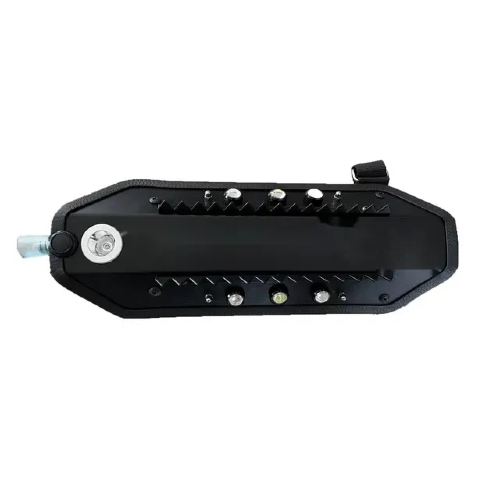
The Critical Role of Riot Shields in Modern Protection
In modern law enforcement and tactical operations, a riot shield is not just a piece of defense gear — it’s a critical tool for protection, strategy, and control. Riot shields are designed to withstand impacts, resist penetration, and provide officers or security personnel with a mobile barrier against projectiles, strikes, and other forms of aggression.
While most riot shields share similar purposes, their strength ratings can vary dramatically depending on the materials used, their intended use, and the manufacturing process. For professionals in high-risk situations, understanding what makes a high-strength riot shield stand out is essential.
This article explores the materials, technologies, and standards behind the world’s strongest riot shields. By the end, you’ll know which shields are rated highest for strength — and why certain materials like polycarbonate and ballistic composites dominate the industry.
Understanding Strength in Riot Shields
Before identifying the highest-rated riot shields, it’s important to define what “strength” truly means in this context. Riot shield strength refers to a combination of impact resistance, penetration resistance, and structural durability.
A strong riot shield should not only stop physical attacks but also maintain its integrity after repeated hits. Whether facing thrown rocks, sticks, blunt weapons, or even bullets, strength is the key factor that determines reliability and user safety.
Key Performance Metrics
The following four criteria define the true strength of a riot shield:
Impact Resistance: The ability to absorb and disperse kinetic energy from blunt impacts or thrown objects.
Ballistic Resistance: Protection against bullets, pellets, or other ballistic threats (measured by NIJ levels).
Flexural Strength: The ability to resist bending or deformation under pressure.
Durability: The shield’s ability to maintain performance after multiple impacts, temperature fluctuations, or UV exposure.
When evaluating a riot shield, agencies often rely on standardized testing to ensure consistency and reliability across different manufacturers.
Materials That Determine Riot Shield Strength
The strength of a riot shield largely depends on the material composition. Each material offers a unique balance between weight, visibility, and protection level.
Below is a comparison of commonly used materials in high-strength riot shields:
Material Type | Strength Rating | Transparency | Weight | Typical Application |
Polycarbonate (PC) | Excellent (High impact resistance) | Transparent | Light | Police riot shields |
HDPE (High-Density Polyethylene) | Good | Opaque | Very light | Training, crowd control |
Aluminum Alloy | Very High (Rigid & durable) | Opaque | Heavy | Tactical defense |
Ballistic Composite (Aramid / Kevlar layers) | Exceptional | Semi-transparent | Medium | Military and SWAT use |
Among these, polycarbonate and ballistic composite shields stand out as the top contenders for maximum strength. They combine flexibility, durability, and impact resistance — essential qualities for high-performance riot shields.
The Strongest Riot Shield Materials Explained
Polycarbonate Riot Shields
Polycarbonate (PC) is widely regarded as the industry standard for modern riot shields due to its exceptional balance between transparency and strength. It is up to 250 times stronger than glass and 30 times stronger than acrylic, while remaining remarkably lightweight.
Advantages:
Outstanding impact resistance — capable of absorbing and dispersing high-energy blows.
Transparency — maintains full visibility for officers.
Lightweight handling — ideal for prolonged use during operations.
UV stability — retains clarity and toughness even under direct sunlight.
A polycarbonate riot shield provides law enforcement officers with reliable, all-around protection. It’s especially favored for crowd control, civil unrest, and urban policing, where clear visibility and quick response are essential.
Ballistic Riot Shields (Composite or Aramid-Based)
When higher protection levels are required — especially in military or SWAT operations — ballistic riot shields become the preferred option. These shields are constructed from aramid fibers (like Kevlar), UHMWPE, or laminated composites, offering the highest possible strength ratings.
Advantages:
Superior ballistic protection — capable of stopping handgun and rifle rounds depending on NIJ level.
Multi-layer construction — blends flexibility and hardness for energy dispersion.
Resistant to chemical, heat, and abrasion damage.
Can include viewing windows, lights, and weapon rests for tactical use.
While heavier than polycarbonate shields, ballistic riot shields are unmatched in stopping power. Many models meet or exceed NIJ Level IIIA standards — providing defense against .44 Magnum and 9mm rounds.
Metal and Hybrid Riot Shields
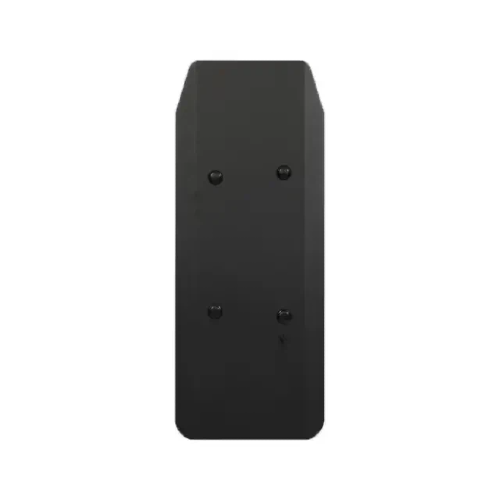
For specialized applications such as breaching or anti-terror operations, some agencies use metal riot shields made from aluminum or steel. Although not transparent, they provide extreme rigidity and endurance.
Pros:
Practically indestructible under blunt-force attacks.
Excellent for door breaching or riot containment.
Long lifespan under harsh conditions.
Cons:
Heavier and harder to maneuver.
Lack of visibility can reduce situational awareness.
Hybrid riot shields, which combine polycarbonate with Kevlar or metal layers, are increasingly popular. They deliver a balance between transparency, strength, and versatility, making them ideal for high-threat, close-quarters environments.
Testing and Rating Standards for Riot Shield Strength
To classify and certify the strength of riot shields, manufacturers follow international testing standards. These standards ensure each shield meets minimum protection requirements under controlled testing conditions.
Key Rating Systems
NIJ (National Institute of Justice, USA): Defines ballistic resistance levels from Level I to Level IV.
Level I–IIA: Light ballistic protection (small arms).
Level IIIA: Stops most handgun rounds (.44 Magnum, 9mm).
Level III–IV: Rifle-level protection.
EN 1063 / EN 1522 (European Standards): Classifies shields by bulletproof rating, from BR1 to BR7.
ASTM D256 / ISO 6603: Used for impact resistance and toughness testing in polymer shields.
How Riot Shields Are Tested
Testing includes:
Drop impact tests — to simulate thrown projectiles or blunt force.
Ballistic testing — firing various ammunition at specific distances.
Temperature endurance — exposing shields to extreme heat and cold.
Edge strength tests — checking resistance to cracking or delamination.
Certification ensures that a riot shield can perform reliably in real-world tactical conditions.
Comparing Top-Rated Riot Shields by Strength
Below is a comparative summary of riot shields with the highest known strength ratings in the market:
Shield Type | Material | Strength Level | Use Case | Remarks |
Polycarbonate Riot Shield (NIJ Level I) | Polycarbonate | High impact | Crowd control | Lightweight and transparent |
Ballistic Riot Shield (NIJ Level IIIA) | Aramid/UHMWPE | Very high | Military, SWAT | Stops handgun rounds |
Metal Riot Shield | Aluminum Alloy | Extreme | Breaching ops | Maximum durability, heavy |
Hybrid Riot Shield (PC + Kevlar) | Composite | Excellent | Tactical units | Balance of clarity and protection |
From this comparison, ballistic riot shields made from aramid composites or hybrid materials stand as the strongest overall. However, polycarbonate riot shields remain the top choice for mainstream law enforcement due to their perfect mix of strength, mobility, and visibility.
Choosing the Right Riot Shield for Your Needs
When selecting a riot shield, the best choice depends on operational requirements, threat level, and environmental conditions.
For Public Safety and Police Units
Opt for polycarbonate riot shields with anti-scratch coatings and ergonomic grips.
Focus on lightweight mobility and optical clarity for visibility during large demonstrations.
For SWAT and Military Operations
Choose ballistic riot shields rated at NIJ Level IIIA or above.
Look for features like weapon rests, viewing windows, and lighting systems.
Ensure handles and straps are reinforced for long-term durability.
For Private Security or Training
HDPE or acrylic riot shields can be cost-effective for non-lethal scenarios.
Emphasize maneuverability and comfort over ballistic protection.
Before purchasing, verify the testing certifications and confirm that the shield meets relevant national or international safety standards.
The Future of High-Strength Riot Shields
The evolution of riot shield technology is accelerating rapidly, driven by advances in material science and tactical design. Future shields will continue to balance strength with adaptability and intelligence.
Smart Technology Integration
Modern shields are being developed with embedded communication modules, LED indicators, and HUD (Head-Up Displays) to provide officers with situational awareness and real-time data.
Nanocomposite Polymers
Next-generation polycarbonates are being enhanced with nanoparticle reinforcement and graphene composites, achieving higher strength-to-weight ratios than ever before.
Sustainability
Manufacturers are now exploring eco-friendly production processes and recyclable materials to align with global sustainability standards, reducing waste while maintaining top-tier performance.
Conclusion
Strength is the defining factor in any riot shield — it determines how well an officer can withstand impact, maintain defense, and stay mobile in dangerous situations.
Among all options available today, ballistic composite riot shields hold the top position in raw strength, offering protection even against firearms. However, polycarbonate riot shields remain the best all-around choice for law enforcement due to their transparency, lightweight design, and excellent impact resistance.
Both categories continue to evolve with new materials and technologies aimed at improving strength, comfort, and tactical efficiency.
For organizations seeking high-strength riot shields with proven durability and international certifications, Jiangsu Crown Supplies Co., Ltd. is a trusted name in the defense and safety equipment industry. The company specializes in manufacturing advanced polycarbonate riot shields, ballistic riot shields, and customized protective gear for police, military, and security applications.
With expertise in material engineering and strict quality control, Jiangsu Crown Supplies Co., Ltd. ensures every shield delivers superior protection and reliability under real-world conditions. Whether for crowd control, tactical response, or military deployment, their products represent the highest standards of safety and performance.
To explore advanced riot shield solutions or request tailored specifications, reach out to Jiangsu Crown Supplies Co., Ltd. — a professional partner dedicated to keeping security forces protected and ready for any challenge.


