Understanding Modern Riot Shields
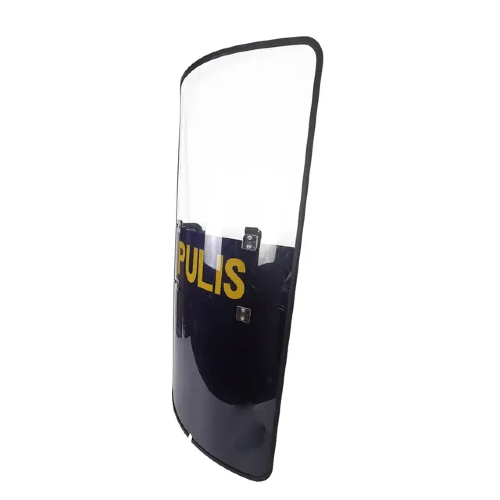
In the modern world, maintaining public order often requires advanced protective tools that balance visibility, safety, and control. One of the most iconic pieces of law enforcement equipment is the riot shield. A riot shield is a defensive tool used by police, military, and security forces to protect against physical attacks, projectiles, and other potential threats during protests, riots, and tactical operations.
Traditionally, riot shields were made of opaque materials such as metal or reinforced plastics. However, in recent decades, the introduction of transparent riot shields has completely transformed how officers interact with the public and manage confrontational situations. But what is the real purpose of making riot shields transparent? Why has transparency become so important in law enforcement defense technology?
This article explores the logic, science, and strategy behind transparent riot shields — analyzing their design, materials, benefits, and evolving role in global security operations.
The Evolution of Riot Shield Design
The history of riot shields dates back to early policing, when solid, heavy shields were used mainly for physical protection. These shields, often made of metal alloys or hard plastics, were strong but bulky and limited the user’s visibility. Officers using these shields faced significant disadvantages — reduced situational awareness, slower mobility, and difficulty communicating with team members or identifying threats.
With advancements in polymer technology in the late 20th century, law enforcement agencies began adopting polycarbonate riot shields. These transparent shields offered a new level of performance — combining lightweight design, optical clarity, and impact resistance. The result was revolutionary: officers could now protect themselves while maintaining clear visibility of the environment, reducing unnecessary risks.
Today, transparent riot shields are standard equipment for police and security forces across the world, symbolizing a modern approach to control, visibility, and non-lethal defense.
Core Purpose of Transparency in Riot Shields
Transparency in riot shields is not merely an aesthetic feature — it serves multiple tactical, psychological, and practical purposes that directly impact law enforcement efficiency and safety.
Enhanced Visibility for Law Enforcement
The most immediate benefit of a transparent riot shield is unobstructed visibility. In chaotic or fast-moving environments, officers must be aware of their surroundings at all times. Transparency allows them to:
Maintain visual contact with both the crowd and fellow officers.
Detect incoming threats such as thrown objects or aggressive individuals.
Navigate obstacles without exposing themselves to unnecessary danger.
This enhanced line of sight improves tactical decision-making and helps officers react more swiftly during confrontations. The clarity of a polycarbonate riot shield ensures that protection never comes at the cost of awareness.
Improved Communication and Coordination
Transparent riot shields also improve team communication. In crowd control operations, officers often rely on visual cues — hand signals, head nods, and coordinated movements. A clear shield enables these cues to be seen through the barrier, promoting unity and reducing confusion in high-stress moments.
For example, in a phalanx formation, where officers form a solid defensive line, transparent shields allow each team member to monitor the behavior of those beside them. This helps maintain alignment and react quickly to breaches or threats, ensuring the formation remains effective.
Reduced Aggression and Psychological Impact
Interestingly, the transparent design of riot shields can also reduce aggression from both sides. Unlike opaque or dark-colored shields, which may appear intimidating or militaristic, clear shields project neutrality and transparency. This visual openness has a subtle psychological effect — it can de-escalate tension by making officers appear less threatening while still providing full protection.
This is particularly valuable in civil demonstrations or public gatherings, where the goal is often to maintain order without escalating conflict. Transparency helps promote a sense of communication rather than confrontation.
Materials That Enable Transparency in Riot Shields
The success of transparent riot shields depends heavily on the materials used. These shields must balance visibility with durability — offering resistance against impact, heat, and environmental stress.
Polycarbonate (PC)
The most common material for transparent riot shields is polycarbonate. It offers:
Exceptional impact resistance — able to withstand blows from blunt objects and projectiles.
High optical clarity, ensuring clear visibility even in poor lighting conditions.
Lightweight construction, allowing officers to maneuver efficiently.
Thermal and UV resistance, maintaining strength and transparency even under sunlight exposure.
Acrylic (PMMA)
Acrylic is another transparent plastic sometimes used for training or low-risk environments. It offers good clarity but lower impact resistance compared to polycarbonate. Acrylic shields are lighter and more cost-effective, making them suitable for training exercises where real combat conditions are not expected.
Composite Laminates
In advanced tactical applications, some riot shields incorporate composite laminates, which combine transparent polycarbonate layers with other materials like aramid fiber or ballistic glass. These hybrids provide higher levels of protection against extreme threats such as bullets or chemical attacks.
Comparison of Transparent Riot Shield Materials
Material |
Transparency |
Impact Resistance |
Weight |
Typical Use |
Polycarbonate (PC) |
Excellent |
Excellent |
Light |
Law enforcement riot shields |
Acrylic (PMMA) |
Very good |
Moderate |
Very light |
Training and demonstration shields |
Composite Laminates |
Good |
Very high |
Medium |
Tactical and military operations |
As shown above, polycarbonate riot shields remain the global standard because they offer the best balance between protection, transparency, and maneuverability.
Balancing Protection and Clarity
One of the greatest challenges in designing a transparent riot shield is achieving maximum protection without compromising visibility. A shield that’s too thick may become heavy or slightly distorted, while one that’s too thin might not provide sufficient protection.
Manufacturers address this balance through innovative coatings and treatments, such as:
Anti-scratch coatings: Prevent surface damage that could blur visibility.
Anti-fog coatings: Maintain clarity in humid or high-temperature conditions.
UV-stabilized finishes: Prevent yellowing or weakening from prolonged sun exposure.
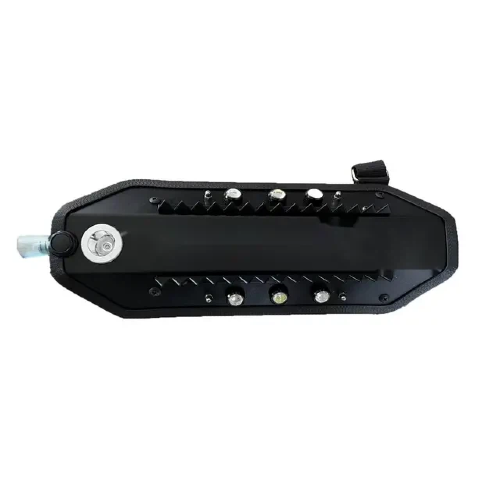
Some advanced models also include reinforced handles, arm straps, and anti-slip grips designed for long-term use in riot or tactical operations.
The result is a highly engineered tool that maintains clarity, comfort, and security, ensuring that officers remain protected and alert throughout extended deployments.
Real-World Applications of Transparent Riot Shields
Transparent riot shields play a crucial role in a wide range of real-world operations. Their versatility makes them suitable for law enforcement, correctional facilities, and security agencies alike.
Police and Military Operations
In police or military deployments, transparent riot shields allow for tactical awareness and non-lethal engagement. Officers can assess the crowd’s movement, spot potential aggressors, and communicate effectively while staying protected. Military peacekeeping units often use transparent shields to maintain a visible but defensive posture in sensitive areas.
Crowd Control and Public Protests
During demonstrations or large gatherings, transparent shields help police maintain control while minimizing hostility. Their non-intimidating appearance helps prevent panic and reinforces the idea of law enforcement transparency — both literally and symbolically. Visibility through the shield also prevents accidental injuries, as officers can better judge distances and interactions with civilians.
Correctional Facilities and Stadium Security
In controlled environments like prisons or sports arenas, transparent riot shields are used to contain disturbances or prevent riots. Their clarity allows officers to monitor detainees or crowd movement without exposing themselves to risk, making them essential for safe, effective containment.
Future Developments in Transparent Riot Shields
As material technology evolves, the next generation of riot shields will feature even more advanced capabilities.
Smart Shield Integration
Emerging designs include embedded communication systems, LED lighting, or head-up displays (HUDs) that project tactical information directly on the shield’s surface. These innovations aim to enhance officer coordination and situational awareness during complex operations.
Nanotechnology and Advanced Polymers
Researchers are developing nanocomposite polycarbonates that offer even higher impact resistance while remaining thinner and lighter. These materials could significantly improve the strength-to-weight ratio of transparent riot shields.
Sustainability and Recyclability
As global sustainability goals expand, many manufacturers are focusing on eco-friendly production. Future riot shields may use recyclable polymers and energy-efficient manufacturing methods to reduce environmental impact without compromising durability.
Conclusion
Transparency in riot shields is far more than a design choice — it’s a strategic feature that enhances safety, communication, and professionalism in every aspect of law enforcement. By allowing officers to maintain visibility while staying protected, transparent riot shields bridge the gap between security and public trust.
Polycarbonate remains the leading material in this field, offering unmatched clarity, resilience, and adaptability. As innovations continue to reshape material science, future riot shields will become smarter, lighter, and even more reliable — ensuring that law enforcement agencies can respond effectively to evolving challenges.
For organizations seeking dependable, high-quality riot shields, Jiangsu Crown Supplies Co., Ltd. stands as a trusted manufacturer specializing in advanced protective equipment. With expertise in design, material innovation, and large-scale production, the company provides solutions tailored to both civil and tactical requirements.
Whether you need transparent polycarbonate riot shields, tactical defense gear, or customized law enforcement equipment, Jiangsu Crown Supplies Co., Ltd. offers the knowledge and manufacturing capacity to meet your needs. Their commitment to safety, durability, and professionalism makes them a reliable partner for agencies worldwide.
If you are looking to enhance your team’s safety and operational readiness, consider reaching out to Jiangsu Crown Supplies Co., Ltd. to explore comprehensive riot control and security equipment solutions designed for modern challenges.


