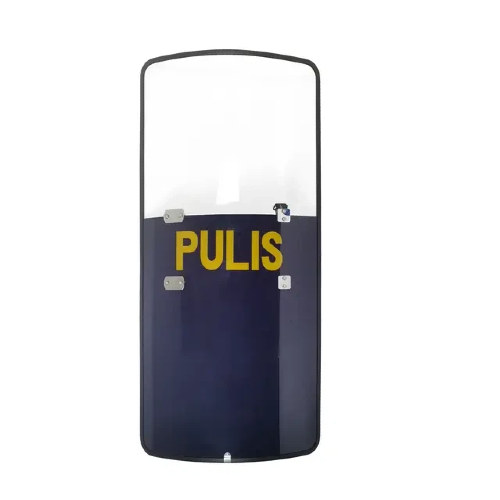
In the field of modern law enforcement and personal security, protection equipment has evolved far beyond traditional armor. Among these, the riot shield and its compact counterpart, the arm shield, have become indispensable for defense and tactical response.
Both serve the same fundamental purpose — to protect the user against physical attacks — but their size, design, and functionality vary depending on operational needs. This article explores in depth what protection an arm shield provides, how it compares to a riot shield, and what innovations are shaping the future of personal defense.
1. Understanding Modern Protective Shields
Protective shields have been used since ancient times, from wooden shields of medieval knights to modern polycarbonate riot shields designed to withstand blunt and ballistic impacts. Today, law enforcement, military forces, and even private security organizations rely on these tools to ensure safety during riots, protests, and tactical missions.
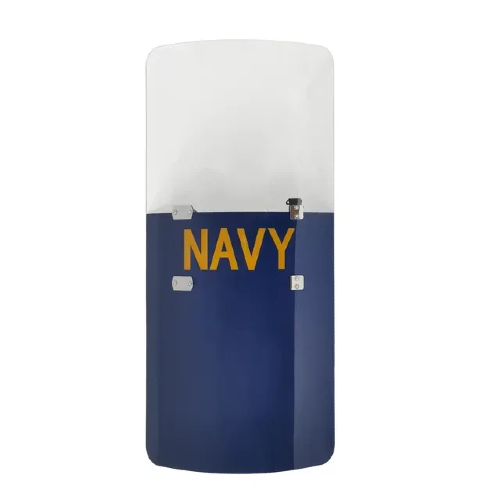
The riot shield is a large, transparent defense tool that provides full-body coverage against thrown objects, strikes, and sometimes even low-level ballistic threats. In contrast, an arm shield is a smaller, more maneuverable piece of gear that covers the forearm and is often used for close-quarters defense.
With growing security challenges worldwide, understanding the difference between these two protective devices — and the exact protection an arm shield can provide — is vital for professionals and enthusiasts alike.
2. What Is an Arm Shield?
2.1 Definition and Basic Function
An arm shield is a lightweight, forearm-mounted defensive shield designed to absorb and deflect blows. It allows users to maintain mobility while offering essential protection against blunt impacts or attacks in tactical situations.
Its smaller size and ergonomic grip make it particularly useful in close-quarters combat (CQC) environments, riot control, or personal security situations where speed and agility are crucial.
2.2 Difference Between Arm Shield and Riot Shield
While both share protective purposes, their applications differ significantly. The comparison below outlines their key distinctions:
Feature |
Arm Shield |
Riot Shield |
Size |
Compact, forearm-sized |
Full-body coverage |
Weight |
Lightweight (1–3 kg) |
Medium to heavy (3–8 kg) |
Mobility |
Excellent |
Moderate |
Material |
Polycarbonate, HDPE, Kevlar |
Polycarbonate, metal, or ballistic composites |
Protection Level |
Partial (forearm & torso) |
Comprehensive |
Use Case |
Tactical movement, training, or CQC |
Riot control, crowd management |
Visibility |
Unobstructed |
Transparent or partial |
Price Range |
Affordable |
Higher cost depending on rating |
3. Materials That Determine Protection Level
The strength and reliability of both riot shields and arm shields depend largely on the materials used in their construction.
3.1 Polycarbonate and HDPE Arm Shields
Polycarbonate is the industry standard for most protective shields. It’s valued for being:
Impact-resistant – absorbs energy from projectiles and blunt force.
Transparent – provides clear vision during operations.
Lightweight – ideal for long-duration use.
HDPE (High-Density Polyethylene) offers a cost-effective alternative that is also resistant to chemical exposure and UV degradation, making it suitable for outdoor or riot conditions.
3.2 Ballistic Arm Shields (Kevlar, UHMWPE, or Aramid)
For higher-risk missions, arm shields made of Kevlar, UHMWPE (Ultra-High-Molecular-Weight Polyethylene), or Aramid composites provide enhanced ballistic resistance.
Such shields are capable of stopping handgun rounds or fragmentation threats, and are typically used by SWAT units or military teams during high-threat scenarios.
3.3 Metal or Composite Hybrid Designs
Metallic or composite hybrids combine structural rigidity and impact absorption. They are heavier but extremely durable, often used in tactical breaching or riot suppression where brute strength and resilience are required.
4. Levels of Protection: What Arm Shields Can Withstand
The protection level of an arm shield is determined by impact energy, ballistic performance, and chemical/thermal resistance. Below are the main categories.
4.1 Impact Protection
Arm shields are designed to withstand:
Blunt force from batons, rocks, or clubs.
Shockwaves from explosions (in limited capacity).
Physical impact according to ASTM D256 and EN 1263 testing standards.
4.2 Ballistic Resistance (NIJ Rating System)
Ballistic protection is categorized by the National Institute of Justice (NIJ) levels. The following table outlines what different arm shield types can resist:
NIJ Level |
Threat Type |
Example Weapon |
Protection Type |
Level I |
Low-velocity impacts |
Light blunt force |
Training / Civilian |
Level II / IIIA |
Handgun rounds |
9mm, .44 Magnum |
Tactical & Military |
Level III / IV |
Rifle rounds |
5.56mm, 7.62mm |
Heavy Ballistic Shields |
4.3 Heat and Chemical Resistance
Polycarbonate shields resist heat and chemical splashes, allowing officers to remain protected from Molotov cocktails, acid attacks, and industrial hazards. This makes them versatile in riot control and hazardous environment operations.
5. Ergonomic Design and Tactical Advantages
5.1 Lightweight Mobility
Arm shields are designed for speed and flexibility. Their small size allows operators to maneuver easily through narrow spaces, staircases, or vehicles — where a full-size riot shield might be cumbersome.
5.2 Arm-Mounted Stability
These shields feature adjustable forearm straps and grip handles, ensuring stability during quick movements. Users can hold weapons, radios, or tactical tools while keeping one arm protected.
5.3 Shock Absorption Systems
Some modern models include foam padding or anti-vibration layers, reducing fatigue during prolonged engagements. This design innovation enhances comfort without compromising strength.
6. Riot Shields vs. Arm Shields: Protection Comparison
Feature |
Riot Shield |
Arm Shield |
Coverage Area |
Full-body (head-to-knee) |
Partial (forearm & torso) |
Mobility |
Limited |
Excellent |
Weight |
3–8 kg |
1–3 kg |
Protection Level |
Medium to high |
Low to medium |
User Group |
Police, riot teams |
Tactical, security units |
Ideal Scenario |
Large crowds, riots |
Small spaces, defense drills |
Riot shields excel at broad protection, while arm shields focus on speed, agility, and tactical response.
7. Typical Applications of Arm Shields
7.1 Law Enforcement and Riot Control
Police forces use arm shields during crowd dispersal, suspect restraint, and urban patrols. They offer essential protection when moving quickly between threats or apprehending suspects.
7.2 Military and Tactical Operations
Arm shields are commonly found in SWAT and counter-terrorism units, helping operators deflect melee attacks, protect weapon arms, and maintain flexibility during building clearances or hostage rescues.
7.3 Civilian and Security Use
Although primarily used by professionals, some lightweight arm shields are available for private security, training, or home defense.
However, laws on owning or using such shields vary by region — always ensure legal compliance before purchase or public use.
8. Limitations of Arm Shields
8.1 Reduced Coverage
Unlike riot shields that cover the entire body, arm shields protect only a limited area, leaving lower limbs and the head exposed to threats.
8.2 Lower Resistance to Heavy Impacts
Due to their lightweight nature, arm shields cannot withstand high-caliber firearms or explosive shrapnel as effectively as larger ballistic riot shields.
8.3 Requires Tactical Skill
Proper use of arm shields requires training and coordination — balancing offense and defense while maintaining stability under pressure.
9. How to Choose the Right Arm Shield or Riot Shield
9.1 Consider the Threat Environment
For riot control, select a full-size polycarbonate riot shield with high impact resistance.
For tactical operations, choose a ballistic-rated arm shield certified to NIJ IIIA or higher.
For training or civilian use, lightweight HDPE arm shields are cost-effective and practical.
9.2 Evaluate Material and Certification
Always check for:
NIJ or EN certification
Manufacturer testing documentation
Chemical and temperature resistance ratings
9.3 Comfort and Weight Balance
Look for:
Ergonomic handles and straps
Shock-absorbing padding
Weight evenly distributed to prevent arm fatigue
Investing in a well-balanced riot shield or arm shield ensures both protection and endurance during prolonged missions.
10. The Future of Arm and Riot Shield Technology
With advances in material science, future shields are becoming:
Smarter – integrated sensors, cameras, and LED systems for visibility and communication.
Lighter – using nanocomposite polymers that retain strength but reduce weight.
Eco-friendly – made from recyclable HDPE and bio-based resins.
Multi-layered – combining ballistic, chemical, and impact resistance in one structure.
The next generation of riot and arm shields will likely include modular designs, custom branding, and adaptive threat response capabilities — redefining how modern forces protect themselves.
11. Conclusion
In conclusion, arm shields offer outstanding protection in tactical environments where mobility, precision, and quick response are crucial. While they don’t provide the full-body coverage of a riot shield, their lightweight and ergonomic design make them ideal for close-quarters defense, law enforcement operations, and private security missions. These shields demonstrate how far modern protective gear has evolved — combining durability, functionality, and adaptability to meet today’s complex safety demands.
For professionals seeking reliable riot and arm shield solutions, Jiangsu Crown Supplies Co., Ltd. stands out as a trusted partner in the defense and security equipment industry. The company provides high-quality, polycarbonate-based riot shields and composite arm shields that meet global standards for strength and safety. Their commitment to innovation and performance ensures that every product delivers dependable protection in real-world situations.
To explore a full range of professional-grade protective shields or discuss customized solutions, readers are encouraged to contact Jiangsu Crown Supplies Co., Ltd. and learn how their expertise can support your operational needs.


