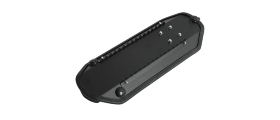
Riot situations are unpredictable, often violent, and pose significant risks to both law enforcement officers and civilians. From large-scale protests to unexpected public disturbances, officers must be equipped to protect themselves while maintaining order. One of the most essential pieces of protective equipment in these scenarios is the riot shield. Designed to provide both physical protection and tactical advantage, riot shields have evolved into a critical tool for modern policing.
This article explores how riot shields protect law enforcement during dangerous riots, detailing their design, features, strategic applications, and the value they bring to officer safety and operational efficiency.
The Purpose of Riot Shields in Law Enforcement
Riot shields are primarily designed to create a barrier between law enforcement officers and potential threats. Unlike standard body armor, riot shields are portable, lightweight, and allow for mobility while providing coverage against projectiles, blunt force, and other forms of attack.
In dangerous riot situations, officers face multiple threats simultaneously—objects thrown by crowds, aggressive individuals, and unpredictable environmental hazards. Riot shields allow officers to maintain a defensive stance without retreating, enabling them to control crowds and protect themselves effectively.
Moreover, riot shields serve a psychological function. The visible presence of a shield can deter aggressive behavior and encourage compliance, reducing the likelihood of escalation. By combining physical protection and psychological influence, riot shields enhance both safety and law enforcement effectiveness.
Key Features of Modern Riot Shields
Modern riot shields have evolved significantly from their early iterations. Today's shields are designed with materials and ergonomics that maximize protection without sacrificing maneuverability. Here are some of the essential features:
1. High-Impact Resistant Materials
Most riot shields are constructed from polycarbonate or other high-strength composites. These materials are lightweight yet durable, capable of withstanding thrown objects, blunt impacts, and even low-caliber projectiles. The transparency of polycarbonate shields allows officers to maintain visual awareness while remaining protected, a critical factor in dynamic riot situations.
2. Ergonomic Handles and Straps
Ergonomics plays a crucial role in how effectively officers can use riot shields. Modern designs feature adjustable handles and forearm straps, distributing weight evenly and reducing fatigue during prolonged operations. Proper grip ensures officers can react quickly to threats while maintaining a firm defensive posture.
3. Shatter-Resistant and Scratch-Resistant Surfaces
Riot environments are harsh, with debris, liquids, and abrasive materials commonly present. Shatter-resistant shields prevent sudden failures upon impact, while scratch-resistant coatings preserve visibility and durability. This combination ensures that shields maintain their effectiveness over repeated uses.
4. Lightweight Design
Weight is a significant consideration. Heavy shields can hinder mobility, slow response time, and increase physical strain. Advances in materials have enabled manufacturers to produce shields that are strong yet lightweight, allowing officers to navigate through crowds, stairs, and tight spaces efficiently.
5. Additional Tactical Features
Some riot shields come equipped with additional features such as vision slits, mounted lights, and even built-in battering tools. These enhancements provide officers with more tactical options without compromising safety.
How Riot Shields Protect Officers During Riots
Riot shields protect law enforcement officers in several critical ways:
1. Protection Against Projectiles
During riots, officers frequently encounter thrown objects such as bottles, stones, and debris. Riot shields act as a barrier, absorbing the impact and preventing injuries. High-quality shields can even stop low-caliber bullets in some situations, depending on the material and thickness.
2. Defense Against Physical Assaults
Riot situations can escalate into physical confrontations with aggressive individuals. Shields provide a buffer between officers and potential attackers, allowing law enforcement personnel to maintain distance while controlling movements. The shield's structure absorbs and disperses force, reducing the risk of injury from punches, kicks, or blunt instruments.
3. Crowd Control and Tactical Positioning
Beyond personal protection, riot shields serve as crowd control tools. Officers can form protective lines, push back aggressive crowds, and create safe zones for evacuations. Shields provide a physical barrier that organizes space, controls flow, and reduces chaos, giving law enforcement strategic advantage during volatile situations.
4. Enhanced Officer Confidence
Knowing that they have a reliable defensive tool, officers can perform their duties more effectively. The presence of a riot shield reduces stress and fear, enabling officers to focus on tactical decisions rather than purely defensive reactions. Confidence gained through proper equipment improves response quality and operational outcomes.
Riot Shields: Design and Functionality
Selecting the right riot shield is as critical as choosing a tactical vest. Modern law enforcement agencies prioritize shields that balance protection and mobility, enabling officers to respond effectively to unpredictable riot or crowd-control situations.
High-strength polycarbonate and composite materials form the backbone of effective shields, offering exceptional impact resistance while remaining lightweight enough to reduce fatigue during extended operations. Transparency is essential for situational awareness, allowing officers to monitor threats while maintaining a defensive posture. Full-length shields provide head-to-knee coverage, whereas half-body shields enhance mobility in tight urban spaces.
Ergonomic handling is equally critical. Properly positioned handles, adjustable forearm straps, and balanced weight distribution enable officers to maintain control while advancing, retreating, or forming defensive formations. Tactical features such as vision slits, LED lights, or modular attachment options increase flexibility, allowing shields to adapt to mission-specific requirements.
Partnering with trusted suppliers ensures agencies receive shields meeting strict safety standards. Jiangsu Crown Supplies Co., Ltd. delivers riot shields designed for maximum protection and mobility. Their shields combine durability, lightweight construction, and tactical adaptability, ensuring officers can focus on mission success while maintaining safety during both routine crowd control and high-risk disturbances.
The Evolution of Riot Shields
The history of riot shields traces back centuries, evolving from simple wooden barriers to advanced polycarbonate and composite designs. Early shields were heavy, cumbersome, and limited mobility. As riots became more complex, law enforcement agencies demanded equipment that balanced protection, visibility, and maneuverability.
Modern innovations now incorporate lightweight materials, ergonomic designs, and multi-functional features. Some shields include transparent surfaces for better situational awareness, while others are reinforced to withstand higher-impact threats. The evolution reflects an ongoing commitment to officer safety, tactical efficiency, and adaptability to emerging threats.
Choosing the Right Riot Shield
Selecting the appropriate riot shield involves considering factors such as:
Material Strength: Polycarbonate vs. reinforced composites.
Size and Coverage: Full-body vs. half-body shields.
Weight: Ensuring mobility and reduced fatigue.
Additional Features: Vision slits, handles, and tactical accessories.
Certification and Standards: Compliance with law enforcement safety standards.
Law enforcement agencies benefit from partnering with trusted suppliers who provide reliable, tested shields suitable for their operational requirements.
Operational Advantages
Both tactical vests and riot shields improve operational effectiveness by enhancing safety, mobility, and confidence.
Protection: Ballistic and stab-resistant panels safeguard vital organs, while high-strength shields absorb impacts from projectiles and thrown objects.
Mobility: Ergonomic designs and balanced weight distribution allow personnel to maneuver efficiently in dynamic environments.
Rapid Access: Modular pouches and shield attachments ensure essential gear is quickly accessible.
Endurance: Comfort, hydration integration, and lightweight materials reduce fatigue over extended operations.
Psychological Advantage: Well-equipped personnel display authority and confidence, often deterring aggressive behavior in crowd-control situations.
Conclusion
Riot shields are more than just protective equipment; they are essential tools that enable law enforcement officers to perform their duties safely and effectively during dangerous riots. From physical protection against projectiles and assaults to tactical crowd control, shields enhance officer safety, confidence, and operational performance.
By selecting high-quality shields from reputable suppliers like Jiangsu Crown Supplies Co., Ltd., law enforcement agencies can ensure their officers are equipped to face the most challenging riot scenarios with confidence. Reliable equipment combined with proper training and strategy creates safer, more controlled environments for both officers and civilians.
FAQ
Q: What is a riot shield made of?
A: Riot shields are typically made of high-impact polycarbonate or composite materials that resist blunt force, projectiles, and scratches while remaining lightweight.
Q: How do officers use riot shields during riots?
A: Officers use riot shields to form protective lines, absorb impacts, and control crowds while maintaining visibility and mobility during dangerous situations.
Q: Can riot shields stop bullets?
A: Most standard riot shields are designed for protection against thrown objects and blunt force. Some reinforced shields may resist low-caliber bullets, but bulletproof vests or helmets are better suited for ballistic protection.
Q: Why are ergonomic handles important on riot shields?
A: Ergonomic handles reduce fatigue, improve grip, and allow officers to maneuver shields effectively during prolonged operations or high-stress encounters.


